


Sloane Square removals tips for narrow access properties
Posted on 02/07/2026
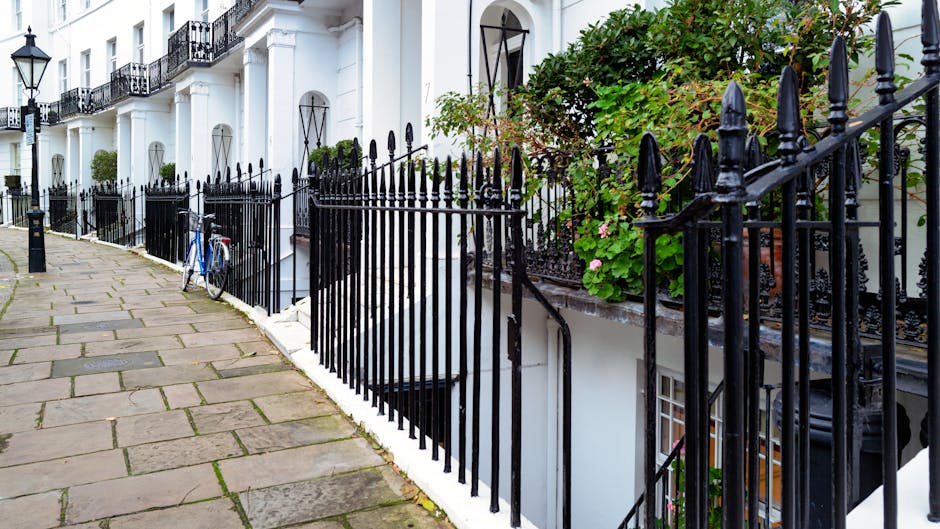
Sloane Square Removals Tips for Narrow Access Properties
If you are moving around Sloane Square, chances are the biggest challenge is not the packing. It is the access. Tight stairwells, awkward mews entrances, basement steps, low railings, parked cars, and those lovely old London streets that feel charming until a sofa needs to get through them. This guide brings together practical Sloane Square removals tips for narrow access properties so you can plan the move properly, protect your belongings, and avoid the kind of last-minute scramble that turns moving day into a headache.
Whether you are leaving a flat above a shop, a basement apartment, or a period property with a narrow entrance, the difference between a smooth move and a stressful one usually comes down to preparation. A little bit of measuring, a few smart packing choices, and the right vehicle planning can save you a lot of effort. To be fair, that is true for most London moves, but in Sloane Square it matters even more.
Below, you will find a clear, step-by-step breakdown of what works, what to avoid, and how to think like a removal team that has done this before. Nothing overcomplicated. Just practical advice that actually helps.
- Why narrow access removals matter in Sloane Square
- How the moving process works in tight-access properties
- Key benefits and practical advantages
- Who this is for and when it makes sense
- Step-by-step guidance
- Expert tips for better results
- Common mistakes to avoid
- Tools, resources and recommendations
- Law, compliance and best practice
- Options and comparison table
- Case study or real-world example
- Practical checklist
- Conclusion
- Frequently asked questions
Why Sloane Square removals tips for narrow access properties Matters
Narrow access is not just an inconvenience. It shapes the whole move. If a van cannot park close enough, if the hallway is too tight for large furniture, or if the staircase forces you into repeated turns and carries, every part of the job becomes slower and riskier. That means more lifting, more time, and a greater chance of scuffs, knocks, or damaged walls. And yes, even the most careful mover can get caught out if the access has not been thought through properly.
In Sloane Square, many homes and apartments sit within older buildings or tightly planned streets. That often means restricted loading space, narrow doorways, shared entrances, and limited room for staging items. You may also have neighbours close by, which adds another layer: keeping noise, clutter, and blocking to a minimum. A smart approach keeps everyone happier, including the people next door who are trying to leave for work while your wardrobe is halfway through the corridor.
The main reason these tips matter is simple: access planning changes costs, timing, and safety. If you do not plan for tight access, you may end up needing extra labour, a smaller vehicle, more trips, or temporary storage. If you do plan properly, you can keep the move controlled and usually calmer than people expect.
Expert summary: In narrow-access moves, success is rarely about strength. It is about sequence, sizing, and patience. Measure first, pack smart, and keep the route clear.
How Sloane Square removals tips for narrow access properties Works
The basic idea is to reduce friction at every stage. You identify where items will enter and exit the property, work out what can realistically fit through the route, and decide what needs dismantling, wrapping, or carrying separately. The better the route plan, the fewer surprises on moving day. That sounds obvious, but in a real move, obvious things are the first to get forgotten.
Good narrow-access moving usually follows a pattern:
- Survey the access - look at stair width, corner turns, doorway heights, lifts, railings, and street parking.
- Measure the bulky items - sofas, mattresses, wardrobes, desks, mirrors, and appliances are the usual problem pieces.
- Choose the right vehicle size - a smaller van can sometimes save time if the street is tight.
- Prepare the property - protect floors, remove loose items, and clear obstacles from the route.
- Load in the best order - heavy and awkward items first, fragile things secured separately.
- Use additional handling methods where needed - furniture blankets, straps, trolleys, sliders, and dismantling tools.
For a move in a place like Sloane Square, the route from front door to van matters as much as the van itself. If there is only one awkward turning point, that single corner can dictate whether a cupboard sails out smoothly or gets stuck after three attempts. Which is why a good removal plan starts with access, not packing tape.
If you are moving from a flat, it can also help to look at dedicated support for flat removals in Chelsea and broader removal services Chelsea options when the layout is especially tricky.
Key Benefits and Practical Advantages
Planning removals properly for narrow access properties gives you more than just convenience. It gives you control. And in a dense part of London, control is worth a lot.
- Less risk of damage - careful sizing and route checks reduce bumps, scratches, and broken fittings.
- Faster loading and unloading - when the route is mapped, the team can move more efficiently.
- Lower stress on moving day - fewer "will this fit?" moments, which honestly are rarely enjoyable.
- Better protection for neighbours and shared areas - especially important in mansion blocks and converted buildings.
- More accurate planning - time estimates and vehicle choices become more realistic.
- Potential cost savings - avoiding failed access attempts or unnecessary re-handling can reduce waste.
There is also a softer benefit: the move feels more professional. You notice it in the rhythm. Things are labelled, the route is clear, the van is parked legally, and nobody is carrying a sofa through a doorway on guesswork alone. It sounds simple. It is, but only after the prep has been done.
Who This Is For and When It Makes Sense
This approach is useful for anyone moving in or out of a property with awkward access, but it is especially relevant if you are dealing with the sort of building common around Sloane Square. That includes top-floor flats, basement homes, maisonettes with tight staircases, and older terraced properties with narrow entrances or limited frontage.
You will get the most value from these tips if you are:
- moving from a period property with narrow halls or stairs
- leaving a flat with limited parking or loading space
- moving furniture that does not come apart easily
- handling a same-day or short-notice move
- organising a move with fragile, high-value, or unusually shaped items
- trying to keep disruption low in a shared building
It also makes sense if you are moving as a student, a renter, or a homeowner with a lot of furniture that needs careful handling. For people with fewer items, a smaller crew and vehicle can be enough. For larger properties, it may be worth looking at house removals Chelsea or even furniture removals Chelsea support if certain pieces need specialist care.
Truth be told, if you are looking at your staircase and thinking, "that is never going to be fun," you are probably right. Better to plan now than improvise later.
Step-by-Step Guidance
Here is the practical version. Not glamorous, but it works.
1. Measure the whole route, not just the front door
Measure the width of doors, hallways, stair landings, and the tightest corners. A lot of people measure the first doorway and stop there, which is a bit like checking the weather in the morning and ignoring the rest of the day. The awkward corner on the second landing is often where the problem starts.
2. Identify the difficult items early
Make a list of bulky or fragile objects: sofas, beds, wardrobes, glass tables, mirrors, printers, and appliances. If a piece looks oversized, assume it is oversized until proven otherwise. Dismantling a wardrobe in advance is far easier than discovering mid-move that it will not turn the staircase.
3. Decide what should be dismantled
Flat-pack furniture, bed frames, shelving, and some tables are often easier to move in parts. Keep screws and fittings in labelled bags. Tape them to the item or place them in a clearly marked box. It sounds minor, but it saves time and a fair bit of swearing later.
4. Clear the access route inside and outside
Remove shoes, mats, baskets, and anything decorative that could catch a trolley or foot. Outside, think about bins, plant pots, bikes, and temporary clutter around the entrance. If you are in a shared building, give neighbours a quick heads-up. A polite warning goes a long way in a narrow hallway.
5. Protect the property before you start carrying
Use floor covering, door-edge protection, and blankets for furniture. If the property has polished wood, tiles, or painted walls, damage can happen quickly. You do not need a complicated system. Just enough protection to make the route forgiving.
6. Choose the right loading order
Heavy items, awkward shapes, and essential furniture should be loaded first. Fragile boxes and loose items can be stacked more safely around them. Good loading is like packing a suitcase for a long weekend, except the suitcase is moving van-sized and nothing should topple over halfway across London.
7. Leave time for the unexpected
Even with a tidy plan, narrow-access properties often produce small delays. A neighbour may need to pass. A large item may need a second angle. Parking may be a little tighter than expected. Allow for it. Moves rarely follow the script exactly, and that is perfectly normal.
Expert Tips for Better Results
After a while, certain patterns become obvious. The moves that go well are almost always the ones where people think through the awkward bits before the van arrives.
- Use shorter boxes for heavy items. Smaller boxes are easier to carry on narrow stairs and less likely to split.
- Keep a "first out" box separate. Put essentials in one clearly marked box so you are not searching for kettle leads later.
- Wrap corners properly. Door frames and table edges take the hit in tight spaces.
- Take photos of furniture before dismantling. A quick phone photo saves headaches during reassembly.
- Use two people for long or awkward carries. One person can pivot, the other can control balance.
- Check parking realistically. If the van cannot stop close enough, the whole job becomes harder than it needs to be.
If the move feels especially time-sensitive, you may also want to explore same day removals Chelsea or a man and van Chelsea option, depending on how much you need moved and how much access you actually have.
One small thing people overlook: soft furnishings. Blankets, sofa covers, and mattress bags can make narrow moves much easier because they reduce snags. A snag in a tight staircase is never just a snag. It becomes a pause, then a rethink, then another attempt. You know the story.

Common Mistakes to Avoid
Some mistakes happen again and again. The good news is that they are easy to avoid once you know what to look for.
- Not measuring the access properly - guesswork is expensive here.
- Forgetting about stair turns and landings - these matter just as much as doorway width.
- Using boxes that are too large - especially for books, kitchen items, or archive files.
- Leaving everything until moving day - this is where stress multiplies.
- Ignoring parking and loading restrictions - a van parked badly can slow the whole move down.
- Not protecting shared areas - a small chip in a wall can lead to an awkward conversation later.
- Assuming all furniture can stay assembled - it often cannot.
A very common one is underestimating how long narrow access really takes. People assume the move will be fine because the property is "only a one-bed flat." But a one-bed flat on the third floor with a skinny stairwell and no lift is not a quick job. Not even close.
Tools, Resources and Recommendations
You do not need a warehouse of equipment, just the right handful of tools. The aim is to make the move safer and less awkward, not to turn your hallway into a construction site.
| Tool or resource | What it helps with | Best used for |
|---|---|---|
| Measuring tape | Checking widths, heights, and tight turns | Access planning |
| Furniture blankets | Protecting surfaces from scratches and bumps | Sofas, tables, wardrobes |
| Straps | Keeping items secure during carrying and loading | Bulky or awkward furniture |
| Strong boxes in mixed sizes | Making lifting easier on stairs and landings | General packing |
| Dismantling tools | Taking apart furniture that will not fit intact | Beds, shelving, wardrobes |
| Floor protection | Reducing marks and scuffs in shared or private spaces | Hallways, staircases, entrances |
If you are still at the planning stage, it can also help to read more about packing and boxes Chelsea so your boxes are sized in a way that actually works on tight stairs. And if storage is part of the picture, storage Chelsea may be useful for items you do not want to rush into a cramped space.
For people who want a fuller overview of moving support, the services overview is a useful starting point. You can also read the company background at about us if trust and experience matter to you, which they usually do.
Law, Compliance, Standards, or Best Practice
For a narrow-access move in London, the main compliance concerns are usually practical rather than dramatic: safe lifting, avoiding obstruction, parking legally, and protecting people in and around the property. There is no single rulebook that covers every Sloane Square building, but sensible best practice is consistent.
In general, good movers should work carefully, avoid unnecessary risk, and handle items in a way that reduces the chance of damage or injury. That means using proper manual handling technique, not overloading individuals, and making reasonable checks before moving large items through tight spaces. If a building has shared entrances or communal areas, respect matters. The same goes for keeping routes clear for other residents and visitors.
If you are comparing providers, look for clear communication, realistic planning, and transparent terms. It is also sensible to understand how the company handles safety and insurance, especially if the property is difficult to access or if you have high-value items. If those details are important to you, pages like insurance and safety, payment and security, and terms and conditions can help you judge how a move is managed.
One more thing. Accessibility can matter in both directions. If you need a company that understands limited access, mobility needs, or unusual layouts, it is worth checking whether they explain their process clearly. That is why a page such as accessibility statement can be more useful than people expect.
Options, Methods, or Comparison Table
There is no one perfect way to move a narrow-access property. The right method depends on item size, time pressure, parking, and how complicated the route is. Here is a practical comparison.
| Method | Best for | Pros | Trade-offs |
|---|---|---|---|
| Small van and fewer loads | Tight streets and limited parking | Easier manoeuvring, less blocking | May need more trips |
| Full house move with careful routing | Larger properties with mixed access | Efficient if planned well | Requires stronger preparation |
| Furniture-only move | Heavy or awkward single items | Focused handling, simpler logistics | Not ideal for full relocations |
| Short-term storage first | Delays, refits, or staged moves | Reduces pressure on moving day | Needs extra planning |
For many Sloane Square moves, a smaller vehicle with smart access planning is better than trying to force a larger van into a street that clearly was not designed with modern parking in mind. A smaller van can be the clever choice, not the compromised one. There is a difference.
If you are moving a work setup as well as home items, you may also want to read about office removals Chelsea or removal van Chelsea options, depending on scale.
Case Study or Real-World Example
Imagine a second-floor flat near Sloane Square with a narrow stairwell, a corner turn halfway down, and no lift. The move includes a double mattress, a small wardrobe, a glass coffee table, four boxes of books, and a few fragile lamps. Nothing outrageous, but enough to be annoying if handled badly.
In that situation, a good plan would look something like this:
- the wardrobe is dismantled before moving day
- the mattress is wrapped and carried separately
- the coffee table is padded heavily and moved upright, not flat
- books are split into smaller boxes
- the route is cleared in advance, including the hallway and landing
- the van is parked as close as legally possible without blocking the street
The difference is noticeable straight away. Instead of four people circling the same landing trying to "see if it fits," the move proceeds in a calm order. A couple of items may still need a second attempt, because let's face it, that happens. But the day stays manageable.
We have seen this kind of move work best when the customer gives a quick access briefing beforehand: where the bins are, which entrance is easiest, whether there is a side gate, and which item is most likely to cause trouble. That small bit of local knowledge often saves more time than people realise.
For customers who want a very local moving perspective, the Kings Road Chelsea moving guide for man and van services and the piece on Chelsea's cobblestone streets both give helpful context on moving through the area.

Practical Checklist
Use this before the van arrives. Print it, copy it, scribble on it, whatever works.
- Measure the tightest doorway, stair turn, and landing
- List all bulky furniture and decide what will be dismantled
- Pack heavy items into smaller boxes
- Label fragile items clearly
- Clear the hallway, entrance, and any shared access areas
- Protect floors, corners, and door frames
- Confirm where the van can legally stop
- Check whether any lift or service entrance is available
- Prepare a first-day essentials box
- Tell neighbours or building management if access will be busy
- Keep tools, screws, and fittings in one labelled bag
- Plan extra time for awkward items
Quick reminder: if your route feels tight when empty, it will feel tighter when you are carrying a sofa. Always assume the space gets smaller once the move starts.
If you are weighing up your options and want something more tailored, it can help to start a conversation with a team that understands local access issues. You can always use the contact page when you are ready to talk through the details.
Get a free quote today and see how much you can save.
Conclusion
Moving in Sloane Square with narrow access does not need to be chaotic. In fact, with the right preparation, it can be surprisingly orderly. Measure properly, pack in sensible sizes, protect the property, and think carefully about the route from room to van. That is the real game.
The biggest wins usually come from the smallest decisions: using a smaller box, dismantling a bed in advance, checking where the van can stop, or simply giving the team the right information before moving day. Little things, but they add up.
And if there is one thing worth remembering, it is this: narrow access is not a problem to fight. It is a condition to plan around. Once you do that, the whole move becomes a lot more manageable, and usually a lot less tense. Which, on a busy London street, is no bad thing.
